Top Landscape Maintenance Tasks for a Cleaner, Greener Yard

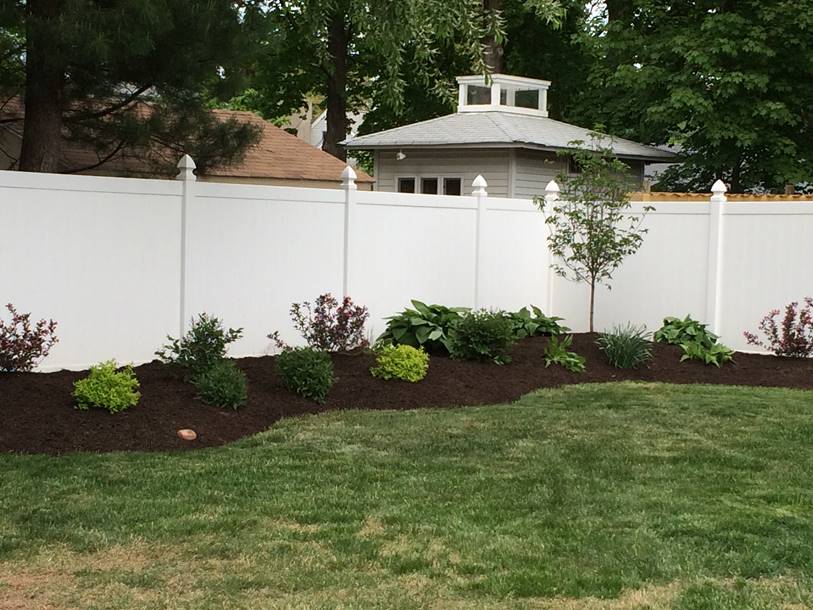
A yard rarely looks clean and healthy by accident. The best outdoor spaces, whether they belong to a modest suburban home or a larger property with mature trees and layered plantings, are usually the result of steady, well-timed landscape maintenance. Not flashy upgrades. Not a weekend spent throwing down a few bags of mulch and hoping for the best. Just sound routine care, done with enough consistency to keep small problems from becoming expensive ones.
That steady care affects more than curb appeal. A maintained landscape sheds water better, supports stronger plant growth, reduces pest pressure, and stays safer to use. It also makes the property easier to manage through every season. When people fall behind on yard work, they often notice the obvious first, overgrown grass, weeds in the beds, leaves matted against the foundation. The less visible issues can matter more: compacted soil, shallow roots, poor airflow through shrubs, irrigation waste, or disease spreading quietly from one stressed plant to the next.
The good news is that the core tasks are straightforward. The challenge is knowing which jobs deserve regular attention, when to do them, and how far to go before “maintenance” becomes accidental damage. A cleaner, greener yard comes from judgment as much as effort.
Healthy lawns start with disciplined mowing
Most homeowners mow often enough to keep the yard passable, but not always in a way https://elliotcagx503.almoheet-travel.com/landscape-maintenance-techniques-to-reduce-pest-problems that improves turf health. Cutting grass too short remains one of the most common mistakes in landscape maintenance, especially in warm weather. A closely shaved lawn may look neat for a day or two, yet it exposes the soil, weakens the root system, and gives weeds an opening. Grass kept at an appropriate height shades its own roots and holds moisture better, which usually means fewer bare spots and less stress during dry spells.
The right mowing height depends on the turf variety, but many lawns perform better when they are kept a bit taller than people expect. Cool-season grasses often respond well in the 2.5 to 4 inch range, while many warm-season grasses can be maintained lower, though not scalped. A useful rule in practice is to avoid removing more than about one-third of the blade at a time. If the lawn got away from you during a rainy stretch, bring it down gradually over two or three cuts rather than taking it all off at once.
Sharp mower blades matter more than many people realize. Dull blades tear grass instead of slicing it cleanly, leaving tips frayed and pale. That ragged look is not just cosmetic. Torn blades lose moisture faster and are more vulnerable to disease. You can usually spot the difference within a day of mowing. A clean cut looks crisp. A torn one looks grayish or shredded at the ends.
It also helps to vary mowing patterns. Repeating the same direction every week can lead to ruts and encourage grass to lean. Alternating directions keeps the lawn more upright and even. For properties with slopes, that change in pattern can also reduce wear and improve footing when the ground is damp.
Edging and trimming create the impression of order
A yard can be biologically healthy and still look neglected if edges are soft and overgrown. Clean lines around walkways, patios, driveways, and planting beds make the whole property look maintained, even before anyone notices the condition of the turf or shrubs. This is one of those tasks that offers immediate visual payoff without requiring major expense.
Edging should be deliberate rather than aggressive. Along concrete, the goal is to define the boundary, not carve a trench so deep that roots dry out or the edge crumbles. In planting beds, a simple, consistent edge often works better than ornate curves that are hard to maintain. I have seen many yards where the owner created ambitious bed shapes in spring, only to spend the rest of the year fighting grass that kept creeping back in. A simpler outline usually ages better.
String trimming deserves restraint. It is easy to scalp grass around tree trunks, fence posts, and stone borders, especially when rushing. Repeated contact with a trimmer can wound bark and damage the cambium layer, which is one reason young trees fail in otherwise tidy landscapes. Mulch rings around trees help prevent that problem, but the operator still needs a steady hand.
Weed control works best when it is steady, not dramatic
Weeds are often treated as a sudden emergency, yet they usually become a major eyesore because routine attention slipped. A few dandelions in a lawn or a scatter of spurge in a bed can be handled quickly. Wait three or four weeks during warm weather, and the job changes entirely.
The best weed control combines prevention with timely removal. Thick turf naturally crowds out many lawn weeds, so proper mowing, irrigation, and fertilization reduce pressure before herbicides enter the picture. In planting beds, a consistent mulch layer blocks light and slows germination. Hand-pulling still has a place, especially after rain when roots release more easily. It is often the cleanest solution for isolated weeds around perennials, ornamental grasses, or young shrubs where broad chemical treatment would be risky.
Pre-emergent products can help in the right conditions, particularly for annual weeds like crabgrass, but timing is everything. Applied too late, they do very little. Applied carelessly around desirable plants, they can interfere with reseeding or establishment. Post-emergent herbicides also have their place, though I have seen far too many scorched lawns and damaged ornamentals caused by spraying on windy afternoons or during heat stress. With weed control, precision beats enthusiasm.
A practical way to think about it is simple:
- Prevent weeds by thickening turf and maintaining mulch.
- Remove small infestations early, before they seed.
- Use herbicides selectively, with attention to timing and temperature.
- Revisit problem areas regularly, because one treatment rarely solves the whole issue.
That approach is less exciting than a one-day “yard reset,” but it produces better results.
Mulch does more than make beds look finished
Fresh mulch instantly makes a landscape look cleaner, which is part of its appeal, but the cosmetic benefit is only half the story. Proper mulching moderates soil temperature, reduces evaporation, suppresses weeds, and limits erosion from heavy rain. In many climates, it can be one of the most practical landscape maintenance tasks on the calendar.
Depth matters. Too little mulch does not block weeds effectively. Too much can trap excess moisture against stems, reduce air exchange, and create a haven for surface roots. In most beds, around 2 to 3 inches is enough. More is not automatically better. One of the most common mistakes is piling mulch against the trunk of a tree, the infamous “mulch volcano.” That may look neat from the street, but it can encourage rot, insect activity, and girdling roots over time. Tree flares should remain visible.
Material matters too. Shredded hardwood tends to knit together and stay in place on slopes better than lighter products. Pine straw can work well in certain regions and around acid-loving plants, though it may shift more easily in wind. Dyed mulches can create a bold finished look, but the color fades and may not suit every property. The best choice often depends on budget, bed size, slope, and how formal the landscape is meant to feel.
Replenishment should be based on actual need, not habit. Some homeowners apply a new thick layer every year without checking what remains underneath. After a few seasons, beds become overbuilt, root crowns sink, and water penetration suffers. A light top-dressing after loosening compacted areas is often enough.
Pruning shapes plant health as much as appearance
Shrubs and small trees can make a yard feel established and inviting, but they only add value when they are sized and maintained appropriately. Overgrown foundation shrubs pressing against siding, crossing branches inside a canopy, and hedges sheared into hard outer shells all point to pruning that is either overdue or poorly timed.
Good pruning starts with purpose. Sometimes the goal is clearance, lifting branches away from a walkway or opening space near a window. Sometimes it is plant health, removing dead, diseased, or rubbing limbs. Sometimes it is renewal, encouraging fuller growth or better flowering. The method changes depending on the objective and the species.
One recurring problem is indiscriminate shearing. It creates a superficially tidy surface, but often leaves the plant dense on the outside and bare inside. That outer shell blocks light and airflow, so the shrub grows weak where it matters most. Selective thinning cuts, made back to a branch junction or an interior stem, preserve a more natural habit and usually support longer-term vigor.
Timing matters. Spring-flowering shrubs often set buds on old wood, so heavy pruning at the wrong moment can remove the coming season’s blooms. Summer-flowering plants are often more forgiving. Deadwood removal, on the other hand, is almost always appropriate whenever it is noticed. For mature trees, structural pruning is a specialized task and sometimes a safety issue. If limbs are large, high, or close to structures and utility lines, that is not a do-it-yourself project.
Soil care is the hidden driver of a greener yard
People tend to judge a landscape from the top down, by looking at leaves, flowers, and turf color. Plants experience it from the bottom up. Soil condition affects nearly everything, water infiltration, nutrient availability, root depth, disease resilience, and recovery after stress. If a yard never seems to improve despite mowing, feeding, and watering, soil is often the missing piece.
Compaction is common in lawns that see regular foot traffic, pet activity, or repeated mowing in wet conditions. You can usually spot it where water puddles, grass thins, and the ground feels hard underfoot. Core aeration can help by pulling small plugs from the soil and improving oxygen flow to the root zone. On many lawns, especially those with clay-heavy soils, that task makes a visible difference within a growing season.
Organic matter also plays a major role. Compost, used appropriately in beds or as a light lawn topdressing, improves soil structure over time. It helps sandy soils hold moisture and can loosen heavier soils enough to improve drainage. This is not an overnight fix, and that is exactly why it is often overlooked. Yet some of the healthiest landscapes I have seen were not fed aggressively, they were built on soil that had been improved patiently over several seasons.
A soil test is one of the least glamorous but most useful tools in landscape maintenance. Without one, fertilizing often becomes guesswork. Many yellowing lawns are not simply “hungry.” They may be struggling with pH imbalance, poor drainage, or root damage. Adding more fertilizer in that situation can waste money and worsen stress.
Watering should be deep, targeted, and seasonal
Water management separates average yards from consistently healthy ones. Too little water causes obvious decline, but too much is just as common and sometimes harder to recognize. Shallow daily watering encourages shallow roots. Overspray on sidewalks wastes resources and can create slip hazards. Watering late in the day can leave foliage wet overnight, which increases disease pressure in some plants.
Most lawns and ornamental plantings do better with deeper, less frequent irrigation, adjusted for heat, rainfall, and soil type. The goal is to moisten the root zone, then allow some drying between cycles so roots chase moisture downward. Newly installed plants are the major exception. They need more frequent monitoring because their root systems are still confined and vulnerable, especially in the first growing season.
Irrigation systems should be inspected more often than many homeowners expect. Heads shift. Nozzles clog. Spray patterns drift after routine yard work. One cracked fitting can saturate a corner of the lawn for weeks before anyone notices, while another zone leaves a dry strip that gets blamed on “bad grass.” A short monthly walk-through during the watering season catches most of these issues early.
When hand-watering beds, focus on the base of the plant rather than the foliage. Slow soaking beats a quick splash every time. In hotter regions, early morning is usually the best window. You lose less water to evaporation, and plants start the day hydrated without staying damp deep into the evening.
Seasonal cleanup prevents bigger maintenance problems
A clean yard is not just one that gets mowed. It is one where debris does not linger long enough to create disease, drainage, or pest issues. Leaves, fallen branches, spent annuals, storm litter, and thatch buildup all change how a landscape functions. Seasonal cleanup keeps the system open and manageable.
In autumn, leaves are the obvious concern. A thin layer chopped into the lawn can sometimes be beneficial, especially if it breaks down quickly. A thick, wet layer left in place can smother turf and invite mold. In beds, leaves can be useful insulation around some plantings, but they should not mat tightly over crowns or block air movement entirely. There is a difference between letting the landscape cycle naturally and simply abandoning it to clutter.
Spring cleanup requires some judgment. Clearing everything too early can expose tender growth to late cold snaps, while waiting too long allows soggy debris to suppress emerging plants. Perennial cutback, ornamental grass cleanup, and the removal of winter-damaged material are all best timed to local conditions rather than a fixed date on the calendar.
After storms, cleanup should prioritize hazards first. Broken limbs hanging overhead, blocked drains, and branches rubbing structures matter more than cosmetic tidying. Once safety issues are handled, smaller debris can be removed before it grinds into the lawn or collects in planting beds.
Feeding plants wisely beats overfertilizing them
A greener yard does not always need more fertilizer. It needs the right nutrient balance, applied at the right time, in the right amount. Excess nitrogen may create a quick flush of top growth, but that softness can increase mowing demands and sometimes make turf or ornamentals more vulnerable to pests and drought stress.
Lawns often benefit from a seasonal feeding schedule tailored to grass type and climate. Cool-season grasses typically respond best to feeding during active growth in fall and spring, while warm-season grasses are usually fertilized as they move into their main summer growth period. Shrubs and trees generally need far less supplemental feeding than people assume, especially if they are already growing adequately and are mulched properly.
Slow-release products tend to be safer and more forgiving than quick-release options. They provide a steadier nutrient supply and reduce the risk of burn. Spotting a deficiency in ornamentals is not always straightforward, though. Yellow leaves can indicate nutrient shortage, but also poor drainage, root damage, restricted soil volume, or a pH issue that blocks uptake. Feeding without diagnosis is often just treatment by habit.
Pest and disease checks belong in regular walk-throughs
Most serious plant problems do not appear overnight. They build gradually, often in ways that are easy to miss unless someone is looking closely. A shrub that seems a little thin on one side, irregular spotting on lower leaves, webbing tucked into branch crotches, chewed edges on fresh growth, these are early warnings. Catch them then, and the remedy is usually smaller.
The best inspection routine is simple and brief. Walk the property slowly every week or two during the active growing season. Look under leaves. Check the soil moisture before assuming a wilted plant needs water. Notice whether one irrigation zone stays greener than the rest. Compare this week’s appearance with last week’s. That habit, more than any single product or technique, prevents minor issues from becoming landscape-wide setbacks.
Integrated pest management is still the soundest approach for most residential properties. That means identifying the problem accurately, understanding whether it is cosmetic or truly harmful, and choosing the least disruptive effective response. Not every insect needs to be eliminated. Not every spot on a leaf justifies treatment. A measured response protects beneficial organisms and avoids unnecessary chemical use.
Hardscape care supports the whole landscape
Landscape maintenance is not limited to plants. Walkways, retaining walls, patios, edging materials, and drainage features shape how the yard looks and functions. When hardscape is ignored, water ends up where it should not be, beds erode, and otherwise healthy plantings begin to struggle.
Joint weeds between pavers, algae on shaded stone, soil washed over edging after rain, and clogged channel drains all make a property feel less maintained. They also create practical problems. Water that cannot move away from a patio may end up in the lawn, compacting soil and thinning turf. A leaning bed edge invites grass intrusion and mulch loss. Small corrections here often improve the surrounding plantings without touching a single leaf.
This is one area where a homeowner’s eye can become blind through familiarity. People stop noticing the slippery patch on the north-side walk or the downspout that empties into the same soggy bed every storm. Yet those details often explain why one section of the yard always looks worse than the rest.
The maintenance rhythm that keeps yards looking their best
The cleanest, greenest yards are rarely maintained in bursts. They are maintained in rhythm. Mow before the lawn is overgrown, not after. Pull weeds while they are sparse. Prune with a reason. Refresh mulch without burying roots. Water deeply enough to matter. Walk the property often enough to see change while it is still manageable.
For busy homeowners, it helps to think in terms of attention rather than marathon labor. Ten or fifteen minutes spent inspecting irrigation, clipping a few stray shoots, or clearing debris from bed edges can save hours later. On larger or more complex properties, professional support makes sense, especially for turf programs, tree work, drainage correction, and seasonal pruning. Even then, the best results come when maintenance is not treated as a reaction to visible decline, but as a regular operating practice.
A yard does not need to be elaborate to look polished. It needs structure, consistency, and care that matches the site. When those basics are in place, landscape maintenance stops feeling like endless cleanup. It becomes what it should be, a practical routine that keeps the yard healthier, cleaner, and noticeably greener through the whole year.
Majestic Mowing & Landscaping LLC
Phone number: +19733975532
FAQ About Landscape Maintenance
What is landscape maintenance?
Landscape maintenance is the ongoing care, cleaning, and upkeep of outdoor green spaces to keep them healthy, safe, and attractive.
Is $100 an hour too much for landscape work?
An hourly rate of $100 is not too much for specialized or professional landscape work, though it sits at the higher end of the standard pricing spectrum.
How much do landscapers charge for maintenance?
For professional landscaping maintenance, homeowners typically pay $100 to $410 per month for recurring services, or an hourly labor rate of $50 to $100 per hour per crew member.